

Texas State Secures $699,000 Subaward to Study Special Education Teacher Development
SAN MARCOS, Texas – Texas State researchers have received a $699,000 subaward as part of a $1.7 million federal research project in partnership with the University of Virginia.
The project, titled “IMPACT-PD: Investigating Methods and Practices in Professional Development for Special Education Teachers,” is funded by National Center for Special Education Research (NCSER) within the U.S. Department of Education’s Institute of Education Sciences (IES). The project will run from September 2026 through August 2029 to research and understand how system-level factors such as district budgets, administrator decisions, and policy mandates influence professional development for special education teachers and students. The project addresses unanswered questions surrounding secondary special education professional development (PD) such as how district-level budgeting and policies shape training quality, how engaging these sessions are for educators, and whether they lead to measurable improvements in the classroom. The long-term goal of the research team is to use the information collected through this project to help make the professional development special education teachers receive more effective and dynamic so that teachers can better support their students.
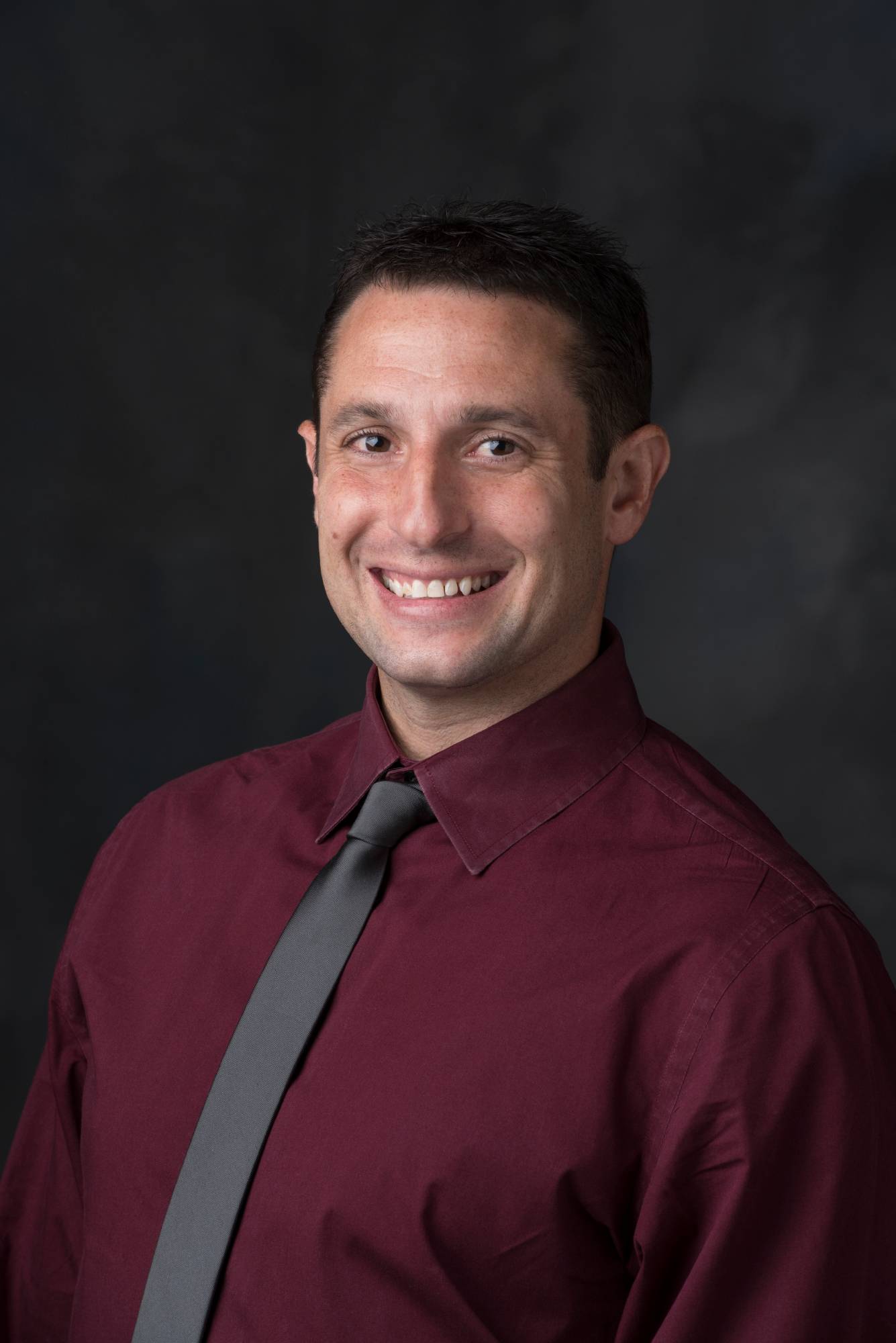
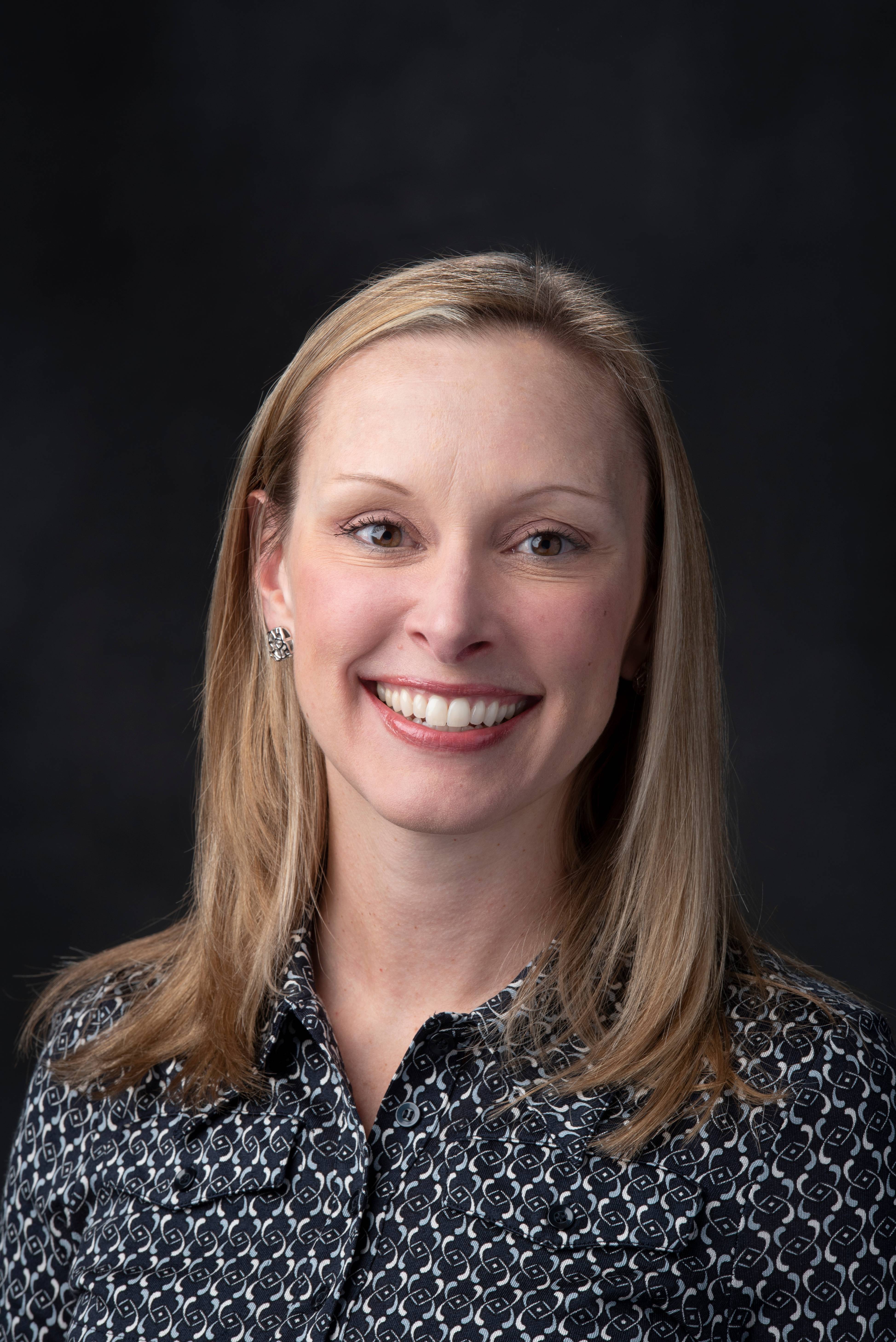
Stephen Ciullo and Aylson Collins, Texas State faculty of Special Education, serve as co-principal investigators for the Texas State portion of the project alongside Dr. Michael Kennedy, Dr. Peter Youngs, and Dr. LaRon Scott from the University of Virginia. When the IES grant was announced, both expressed enthusiasm for the project’s potential to raise awareness of how critical evidence-based training and proper resource allocation are for supporting special educators.
“For me and Alyson, a particularly valuable part of our project is the opportunity to observe the professional development teachers actually receive in school districts,” Ciullo said. “Combined with interviews and surveys, these observations can help us understand the quality of these sessions, whether the practices being taught are grounded in evidence, and how relevant they are to teachers’ responsibilities and the needs of students, families, and school districts.”
Over the course of the three-year study, researchers will gather qualitative and quantitative data across school districts based in Texas and Virginia. The school sites will include a mix of urban, suburban, and rural school districts to ensure the team gains information from a broad range of schools to better draw conclusions and understand professional development for special education teachers. By pairing classroom observations and teacher feedback with detailed cost analyses of training programs, the team aims to help equip district administrators with evidence to guide future professional development spending.
Because special education educators face unique classroom demands, having high quality and evidence-based training is essential. By linking the professional development teachers receive real classroom instruction and student outcomes, IMPACT-PD can better help school systems optimize their resources and training opportunities for teachers.
“Connecting these experiences with classroom instruction and student outcomes could help district leaders make more informed decisions about how to maximize their resources to support special education teachers.” Ciullo said.
For More Information:
U.S. Department of Education IES Grant Abstract: IMPACT-PD Award Details